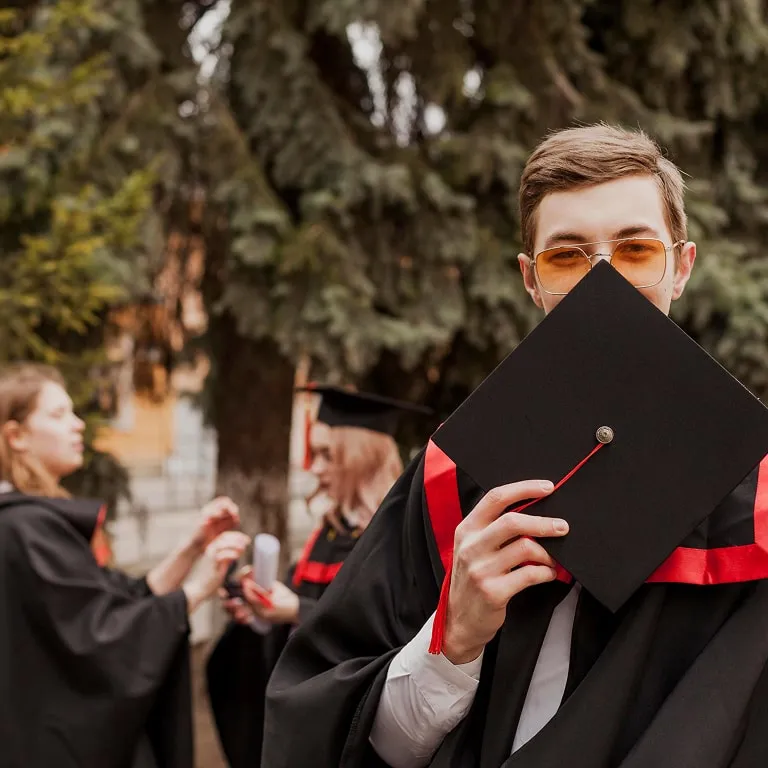
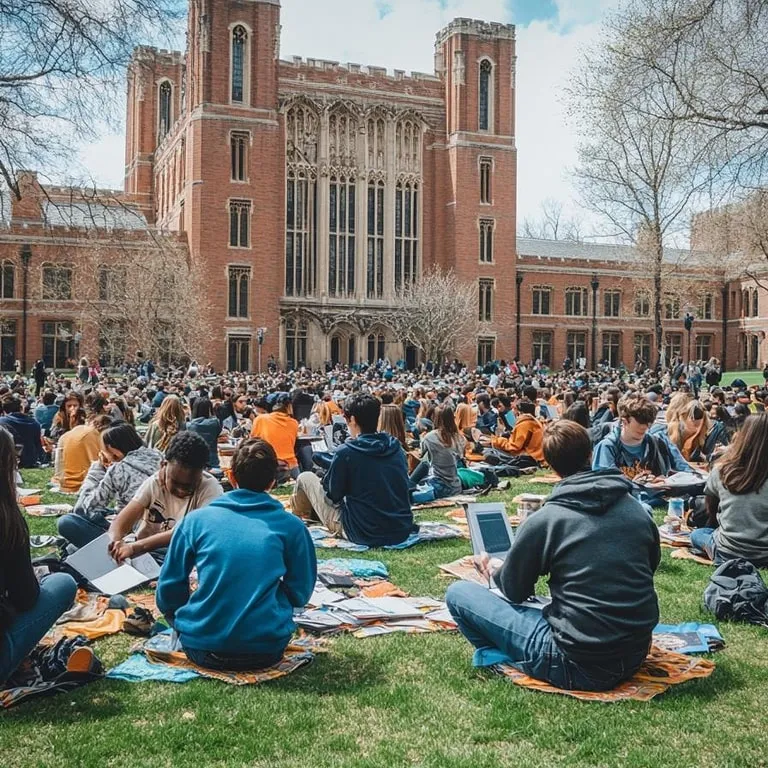

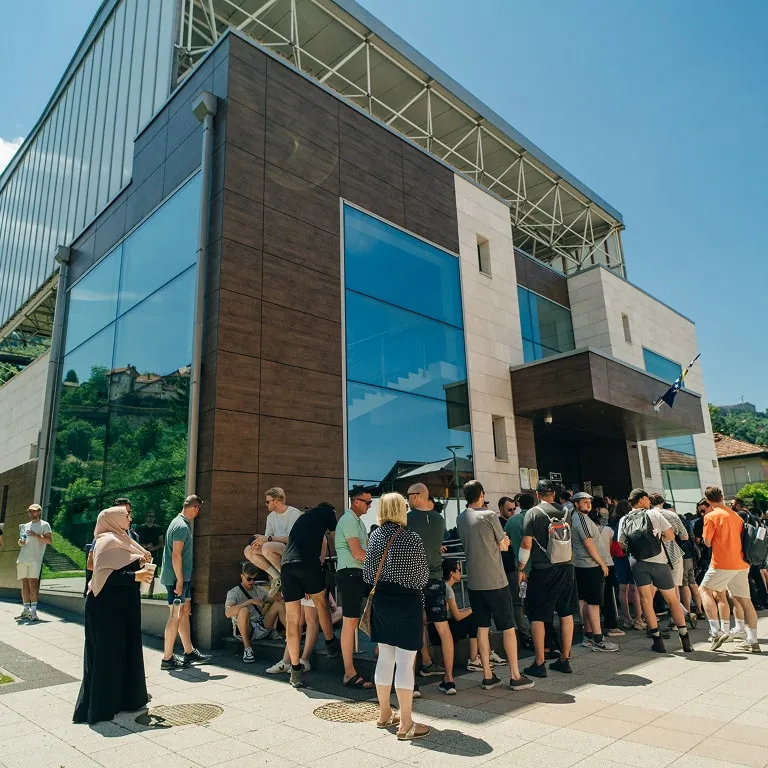

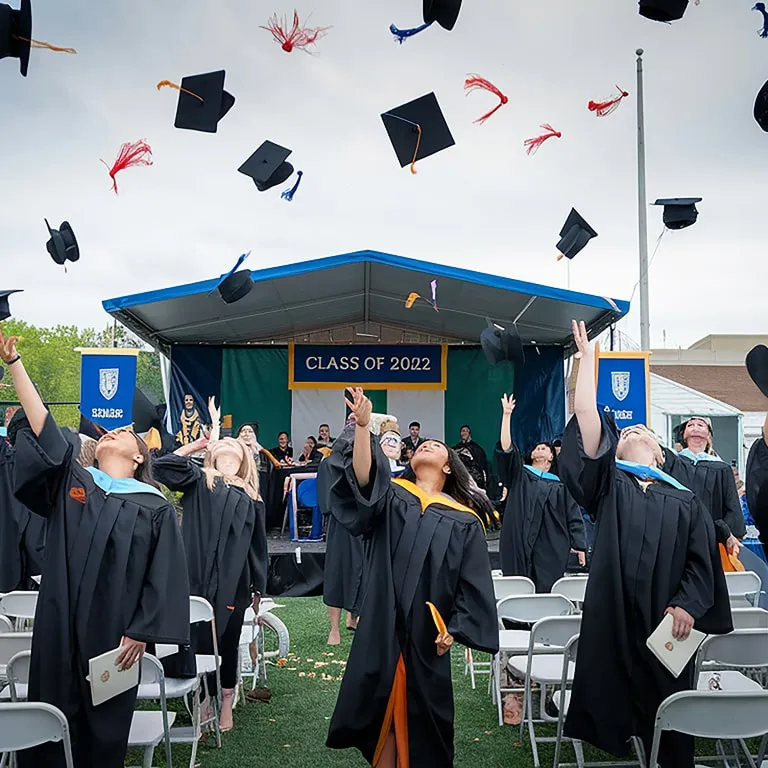

Our university offers a comprehensive range of academic programs designed to inspire learning, innovation and real-world impact Each program is carefully crafted to blend theoretical knowledge with practical experience ensuring students gain the skills needed to excel in today’s competitive global environment From foundational undergraduate courses to advanced postgraduate and professional degrees our curriculum emphasizes critical thinking hands-on learning, and industry relevance With guidance from experienced faculty access to modern laboratories and opportunities for research and internships students are empowered.
Program Highlight

Faculty
Education
Duration
4 Years
Credits
60
Language
English
About Programs
Lorem ipsum dolor sit amet, consectetur adipiscing elit, sed do eiusmod tempor incididunt ut labore et dolore magna aliqua. Ut enim ad minim veniam, quis nostrud exercitation ullamco laboris nisi ut aliquip ex ea co mmodo consequat. Duis aute irure dolor in reprehenderit in voluptate velit esse cillum dolore eu fugiat nulla pariatur Placerat orci nulla pellentesque dignissim enim sit venenatis urna. Orci porta non pulvinar neque laoreet suspendisse interdum consectetur libero. Ipsum suspendisse ultrices gravida dictum fusce. Consectetur libero id faucibus nisl et. Suspendisse in est ante in mauris cursus mattis.
Master of Science in Statistics (24 Months)
Session: 2025 - 2026
Typical Program Structure
A 24-month M.S. Statistics program usually follows a structure split across three or four academic terms (e.g., two semesters plus a summer term, or three quarters plus a summer term).
- Duration: 24 Months (Full-Time)
- Total Credits: Varies by institution (e.g., 60-90 credits).
- Structure: Heavily focused on taught coursework and often culminates in a capstone project or dissertation completed over the summer.
Core Curriculum Topics
Statistical Theory:
Theory of Statistical Inference, Advanced Probability Theory, Foundations of Statistics
Statistical Modeling:
Linear Models and Regression Generalized Linear Models, Multivariate Analysis.
Computational Statistics:
Statistical Programming (e.g., R and Python), Statistical Computing, Data Management
Applied Methods:
Time Series Analysis, Design and Analysis of Experiments, Sampling Theory
Modern Techniques:
Statistical Machine Learning, Advanced Statistical Learning, Data Science Methods
Curriculum Overview
Our university curriculum is designed to deliver a balanced future-focused learning experience that empowers students with both academic knowledge and practical competencies Each program is structured to combine foundational coursework specialized major subjects hands-on learning and interdisciplinary opportunities By integrating theory research and real-world applications we prepare students to excel in a rapidly evolving global environment Students begin with core courses that build essential skills in communication, critical thinking, digital literacy, and quantitative analysis.
Curriculum Breakdown Summary
Our curriculum is structured to provide a well-rounded, progressive learning journey that supports both academic excellence and practical skill development. It is organized into four key components: Core Courses, Major Requirements, Electives, and Experiential Learning.
| Regular Students | Required Credits |
|---|---|
| Core Courses | 30 Credits |
| Science (S) Core | 30 Credits |
| Business (B) Core | 3 Credits |
| GPA | 3 Credits |
| Total | 90 Credits |
Core Courses
The Science (S) Core develops a strong foundation in scientific principles, analytical thinking, and evidence-based problem-solving These courses introduce students to the fundamental concepts of the natural world while strengthening their abilities to observe, experiment.
| Semester 1 | Courses Code | Core Courses | Credits |
|---|---|---|---|
| Foundations in Communication & Critical Thinking (12 Required Credits) | IBS301 | International Business Management | 3 Credits |
| BUS109 | Introduction to Microeconomics | 3 Credits | |
| MKT200B | Principles of Marketing | 3 Credits | |
| BUS308B | Strategic Management | 3 Credits | |
| Accounting | BUS325B | Introduction to Operations Management & Decision Science | 3 Credits |
| FIN305 | Introduction to Corporate Finance | 3 Credits | |
| BUS110 | Introduction to Macroeconomics | 3 Credits | |
| ACC101 | Introduction to Accounting | 3 Credits | |
| Management | BUS100A | Introduction to Business | 3 Credits |
| BUS211C | People and Organization | 3 Credits |
Science (S) Core
The Science (S) Core develops a strong foundation in scientific principles, analytical thinking, and evidence-based problem-solving These courses introduce students to the fundamental concepts of the natural world while strengthening their abilities to observe, experiment.
| Semester 2 | Courses Code | Science | Credits |
|---|---|---|---|
| Science | PHY 101 | Conceptual Physics | 3 Credits |
| BIO 105 | Introduction to Life Sciences | 3 Credits | |
| S-109 | Introduction to Physical Science | 3 Credits | |
| ENV 110 | Environmental Science | 3 Credits | |
| Technology | CS 101 | Digital Foundations and Applied Programming | 3 Credits |
| TECH 205 | Management Information Systems (MIS) | 3 Credits | |
| ENGR 100 | Introduction to Engineering Principles | 3 Credits | |
| DATA 210 | Data Management and Visualization | 3 Credits | |
| Mathematics | MATH 115 | College Algebra and Trigonometry | 3 Credits |
| STAT 201 | Probability and Statistics | 3 Credits |
Business (B) Core
The Science (S) Core develops a strong foundation in scientific principles, analytical thinking, and evidence-based problem-solving These courses introduce students to the fundamental concepts of the natural world while strengthening their abilities to observe, experiment.
| Semester 3 | Courses Code | Business Core | Credits |
|---|---|---|---|
| Finance | IBS301 | International Business Management | 3 Credits |
| BUS109 | Introduction to Microeconomics | 3 Credits | |
| MKT200B | Principles of Marketing | 3 Credits | |
| BUS308B | Strategic Management | 3 Credits | |
| Accounting | BUS325B | Introduction to Operations Management & Decision Science | 3 Credits |
| FIN305 | Introduction to Corporate Finance | 3 Credits | |
| BUS110 | Introduction to Macroeconomics | 3 Credits | |
| ACC101 | Introduction to Accounting | 3 Credits | |
| Management | BUS100A | Introduction to Business | 3 Credits |
| BUS211C | People and Organization | 3 Credits |



| Spring 2025 | Summer 2025 | Fall 2025 | Winter 2025 | Annual | |
|---|---|---|---|---|---|
| 17 weeks | 6 weeks Summer 1, 3 Weeks Summer 2, 3 Weeks | 16 weeks | 17 weeks Winter 1, 3 Weeks Winter 2, 3 Weeks | Costs USD | |
| Enrollment Fee (Onetime fee) | $560 | $560* | $660 | ||
| Orientations Fee (Onetime fee) | $159 | $159* | $159 | ||
| Medical Insurance (Yearly) | $68 | $68 | |||
| Tuition | $4,129 | $1,139 | $5,138 | $1,028 | $11,434 |
| Residence | $728 | $364 | $728 | $364 | $2,184 |
| Breakfast Fee | $448 | Not offered | $448 | Not offered | $896 |
| Activity Fee | $100 | $100 | $200 | ||
| Total First Year | $6,192 | $1,503 | $7,133 | $1,392 | $16,220 |
| Total Second Year | $5,192 | $1,503 | $7,133 | $1,392 | $15,220 |
Apply Now
Our program costs are designed to remain transparent competitive and accessible for students from diverse backgrounds. Each academic program includes tuition fees, registration charges and essential learning resources ensuring students receive high-quality education and comprehensive academic support Costs may vary based on program type, course load, and mode of study (on-campus, hybrid, or online) We aim to provide exceptional value through modern facilities, expert faculty, and industry aligned curriculum making your investment in education both meaningful and future-focused.
Undergraduate
Begin your academic journey with flexible entry requirements and application.


International Students
Join a diverse campus community through a simple application and visa guidance.
Requirements and Deadlines
Our program costs are designed to remain transparent competitive and accessible for students from diverse backgrounds. Each academic program includes tuition fees, registration charges and essential learning resources ensuring students receive high-quality education and comprehensive academic support Costs may vary based on program type, course load, and mode of study (on-campus, hybrid, or online) We aim to provide exceptional value through modern facilities, expert faculty, and industry aligned curriculum making your investment in education both meaningful and future-focused.
Admissions Requirements
1. Academic Qualifications
2. Required Documents
3. English Language Proficiency
4. Entrance Exam / Interview
5. Additional Requirements (Program-Specific)
6. Financial Requirements



Apply Deadlines
| Program Level | Admissions Session | Applications Open | Application Deadline | Classes Begin |
|---|---|---|---|---|
| Undergraduate | Spring Intake | October 1 | December 15 | January 10 |
| Undergraduate | Fall Intake | April 1 | July 30 | September 1 |
| Postgraduate | Spring Intake | October 1 | December 30 | January 15 |
| Postgraduate | Fall Intake | April 1 | August 10 | September 5 |
| International Students | All Intake | 6 Months Before | 2 Months Before | As Scheduled |
Requirements and Deadlines
Our program costs are designed to remain transparent competitive and accessible for students from diverse backgrounds. Each academic program includes tuition fees, registration charges and essential learning resources ensuring students receive high-quality education and comprehensive academic.